

1 February 2026
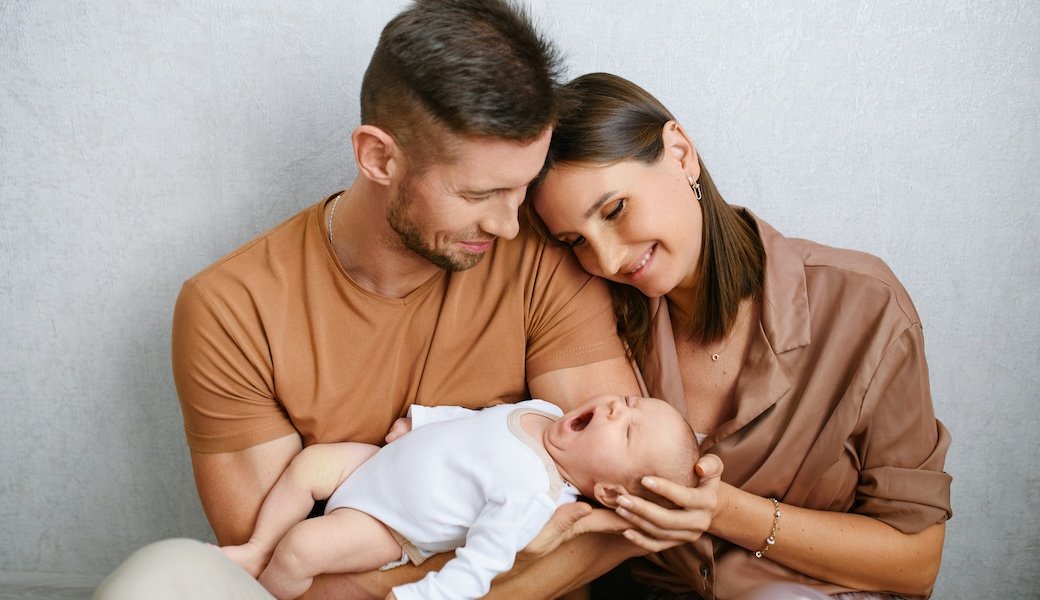
More and more parents are looking for ways to raise their children to be emotionally resilient and mentally strong. Not through control or perfection, but through connection, calmness, and self-awareness. Psychotherapist and author Amy Morin refers to this as mentally strong parenting: parenting from a place of inner stability.
But what does that actually mean in practice? And how do you develop this kind of mental strength as a parent, especially when situations become challenging, confronting, or emotionally charged?
What Are Mentally Strong Parents?
Mentally strong parents are not flawless. They are conscious. They recognize their own emotions, beliefs, and automatic reactions, and take responsibility for them.
According to Amy Morin, mentally strong parents tend to:
- Acknowledge their child’s emotions without minimizing or absorbing them
- Set clear boundaries without guilt or shame
- Teach their children how to cope with disappointment and frustration
- View mistakes as opportunities for growth rather than failure
- Regulate themselves first, before responding to their child
This style of parenting supports the development of emotional intelligence, self-confidence, and resilience in children.
Conscious Parenting Is Inner Work
Parenting is one of the most confronting processes there is. Children mirror our own fears, insecurities, and unresolved experiences with remarkable precision. As a result, parents often respond not from conscious choice, but from old patterns.
Common unconscious beliefs among parents include:
- “I’m not allowed to make mistakes as a parent.”
- “If my child feels bad, I must be doing something wrong.”
- “I should always stay calm.”
- “It’s my responsibility to protect my child from pain.”
These beliefs create stress, self-criticism, and emotional exhaustion, and they stand in the way of mentally strong parenting.
Emotional Resilience Starts with the Parent
Research and practical experience show that children learn emotional regulation through their parents. Not through what you say, but through how you deal with stress, anger, and uncertainty.
A parent who remains internally calm with an angry or distressed child sends an subconscious message:
“Emotions are safe. You are okay. I am here.”
This is the foundation of emotional safety.
But this inner calm cannot be forced through parenting techniques alone.
The Role of PSYCH-K® in Mentally Strong Parenting
This is where
With
- “I trust myself as a parent.”
- “I stay present and calm, even when my child expresses strong emotions.”
- “I don’t have to be perfect to be a good parent.”
- “My child is allowed to have their own process, and I stay connected.”
When these beliefs are integrated at the subconscious level, parents experience more calm, clarity, and confidence, not only in parenting, but within themselves.
Mentally Strong Parents Grow from the Inside Out
What mentally strong parenting makes clear is that parenting doesn’t start with the child. It starts with the parent. By examining and transforming your own beliefs, you create a solid inner foundation.
Not by trying harder.
Not by judging yourself.
But through awareness and inner alignment.
Mentally strong children don’t need perfect parents. They need parents who are willing to grow from within.
Werff Letter
Would you like to receive the monthly newsletter? Sign up to read stories with

